











FERALPALS: Chapter 1
 (1 оценок, среднее: 5.00 из 5)
 Loading...
Similar Games







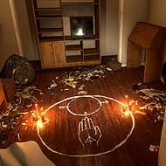
Description
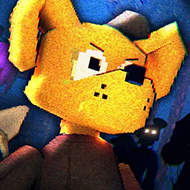
FERALPALS looks like a cozy mascot horror throwback with soft colors and familiar cartoon proportions, but it plays like a slow unraveling of exactly how wrong that friendliness is. Chapter 1, subtitled Old Friend, puts you in control of Dan the Dog as he answers a phone call from his childhood friend Basil the Bat, inviting him back to an old forest campsite none of them have visited in years.
Dan, Basil, and the Society the Pals Built
The premise is unusually specific for a mascot horror game: humanity is gone, wiped out by a pathogen traced back to the Friendly Pals, creatures originally engineered with human-like intelligence to serve their creators. The Pals didn’t disappear when humanity did. Instead they kept mimicking the world they were built to serve, which is where FERALPALS finds its unease, in the gap between familiar routines and the fact that no one who originally designed them is left to notice how strange those routines have become.
Chapter 1 runs somewhere between thirty and forty-five minutes, and developer Polypaw built it as a self-contained opening chapter connected to a larger overarching mystery rather than a full standalone story. That structure means the pacing leans heavily on environmental storytelling early on, well before Dan reaches the campsite itself.
What beginners get wrong going into FERALPALS is expecting immediate confrontation. The forest hides its threat gradually, favoring unease over jump scares in the opening stretch, and players expecting a fast animatronic-chase loop are usually surprised by how much of Chapter 1 is quiet exploration.
Reading the Forest Campsite for Buried Secrets
Environmental storytelling is doing most of the narrative work here. Old campsite structures, leftover belongings, and small inconsistencies scattered through the woods are the primary way FERALPALS answers its own central question, whether humanity is truly extinct or whether something else is going on beneath the Pals’ inherited society. Community discussion since the Chapter 1 demo release has focused heavily on cataloguing these environmental clues, with players comparing notes on which details are meaningful and which are simple set dressing.
Exploration-focused players tend to get the most out of this chapter, since combat or direct threat encounters are minimal compared to the amount of world detail packed into the campsite area. Lore hunters in particular have latched onto Basil’s phone call as a framing device worth rewatching closely, since small wording choices in that opening scene get reinterpreted once later story beats complicate what “reuniting with old friends” actually means in a world without humans.
Psychological horror pacing: rather than relying on frequent jump scares, FERALPALS stretches out its tension through silence and slow environmental reveals, a deliberate choice that keeps the game closer to titles built around dread than titles built around reflex-testing chase sequences.
What FERALPALS Is Known For So Far
Since Chapter 1 is a demo release ahead of the full chapter-based game, most community conversation treats it as a proof of concept for tone rather than a complete experience. That’s an honest divide worth acknowledging: some players see enormous promise in the atmosphere Polypaw has built, while others are withholding judgment until later chapters show how the overarching mystery actually resolves.
Early in the game, before Dan even reaches the treeline, small dialogue choices during the phone call with Basil set an unexpectedly melancholic tone for what’s ostensibly a horror title about corrupted mascots.
FERALPALS Chapter 1 is a short but deliberately paced introduction, and whether it fully lands depends on how much patience you bring to environmental storytelling over direct confrontation. Dan’s walk back into that forest campsite is less about immediate danger and more about the slow realization that Basil’s world, and the Pals who built it, aren’t quite what they’re pretending to be.