















Empty Box
 (1 оценок, среднее: 5.00 из 5)
 Loading...
Similar Games


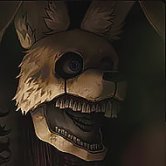





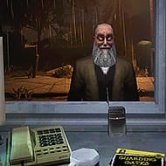


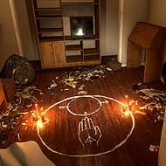
Description
You click through the first scenes of Empty Box expecting the usual visual novel loop of reading, choosing and reloading whenever a decision goes badly, and then the game makes it clear that not everything can be redone. That single rule changes how you treat every line of dialogue that follows. The meta layer here is not a gimmick bolted on at the end, because it shapes how the story speaks to the person reading it.
What Empty Box Asks From You Before the First Choice
Most visual novels teach you early that the story is a menu you can reopen. You read a scene, pick a branch, and if the result feels wrong you step back and try the other one. Empty Box is built around the idea that this habit has a cost, and the creators put a note in front of players warning that certain moments will not follow the traditional rules. Anyone who normally plays with a mental save point always open should take that warning seriously.
The box is the centre of the whole story. The line attached to the game’s page is a question about whether he sees you, which hints at a story where being watched matters as much as anything happening on screen. The meta approach is how that idea reaches you directly instead of staying locked inside the cast.
Expect a slow, deliberate read rather than a puzzle or an action loop. The demo gives a taste of that rhythm, and the full version carries on past it with more of the story and more of the secrets waiting behind the box.
L, Rinso and Saken: Three Stories Around One Box
The full version of the game follows three characters, L, Rinso and Saken, and a cast that small means each one gets real room. A tight cast lets the writing stay with a person instead of rushing to the next arrival, which suits a story built around secrets. Players who read visual novels mainly for character drama have three people to follow here, and the box ties their stories together.
Because the box connects them, the most interesting reading comes from comparing how L, Rinso and Saken each relate to it. Pay attention to what they say when a scene moves close to the box and what they leave out, since a meta story rewards readers who notice absences as well as lines.
Once you move past the demo, the story has far more room to work with. That extra length is where the secrets promised on the page have to pay off, and it is the part most players will be talking about.
Meta Moments and Why Empty Box Does Not Let You Undo Everything
Meta. In community language this means the game acknowledges that you are a player and not just a spectator. In Empty Box that acknowledgment sometimes arrives in forms that differ from a standard visual novel, which is exactly why the creators wrote a warning for players before they begin.
No redo. The key sentence in that warning is that not everything can be redone. Treat early scenes as if they count, because some moments are clearly meant to be lived through once. Players who lean on save scumming in other visual novels will feel this rule more than anyone.
The box. It works as an object and as a promise. The longer you read, the more the story asks what is inside, and the full version promises secrets behind it that connect to the stories of L, Rinso and Saken.
Where Empty Box Divides Players
A meta visual novel with a no-redo rule will never suit everyone. Some readers love being unsettled by a story that refuses to give them a safety net, while others find it frustrating when a game takes away the habit of experimenting with choices. Both reactions are fair, and the warning exists so that neither group is caught off guard.
The pace is the second talking point. This is a game about reading and attention, not reflexes, and the tension comes from atmosphere and the question of who is watching. Players hunting for mechanics, inventory or combat will not find them here, while patient readers who enjoy slow unease are the natural audience.
If you are unsure, the demo is the honest way to test it. Play it and notice whether the meta warning makes you lean in or pull back, because that reaction is a good predictor of how you will feel across the full version.
Empty Box rewards players who accept its one rule and let L, Rinso and Saken carry the story toward whatever waits inside the box. If you want a visual novel that treats the reader as part of the scene, the demo makes a low-risk first look.