














Guildrun
 (1 оценок, среднее: 5.00 из 5)
 Loading...
Similar Games





Description
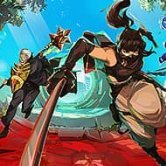
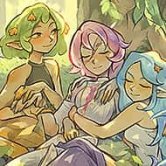
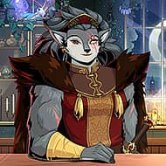
Guildrun looks like a cel-shaded fantasy squad battler, but it plays like a puzzle about decisions you make before a single sword is swung. You pick a hero, build a team on a hex-based arena, and then watch the fight resolve itself while your choices do the work. If you expected to be mashing buttons in the middle of combat, this game quietly asks you to think instead.
| Genre | Roguelike autobattler |
| Mode | PvE, no PvP ladder |
| Run length | About 20 minutes |
| Demo content | 25 heroes, 180 specialisations, 300+ relics, 100+ items |
Heroes, Hex Arenas and the Shop Phase in Guildrun
Every run begins with choosing a hero, then growing that choice into a band of fighters sent to close the rifts that have torn open in cities around the world. Battles play out on hex-based arenas against waves of monsters. You do not control the action once combat begins, so almost all of the strategy happens in the planning phase before each fight.
That structure surprises newcomers. Many beginners spend the fight watching units swing at each other and only afterward realize the outcome was decided by where they placed heroes and what they bought. The sharper habit is to treat each fight as a test of the board you built, then adjust.
Players who know Team Fight Tactics will recognize the rhythm immediately. The difference is that every run is a short roguelike, about 20 minutes, which you can open, save and close whenever you need to.
Shards, Auctions, Relics and Specialisations: Where Builds Come From
Builds in the demo draw from a wide pool of parts, and the numbers give a sense of scale:
- 25 heroes to draft and level up.
- 180 specialisations that push a hero in a different direction.
- More than 300 relics that change how a whole squad performs.
- More than 100 items that drop onto heroes and open up synergies.
The shop, Shards and auctions are the places where your board actually grows, and they make up the economic side of the loop. The class system is where much of the depth comes from, and the item system leans toward Team Fight Tactics in the way gear changes what a hero can do.
The structure rewards flexibility. You are never locked into the hero you started with, and the game keeps handing you reasons to change course. Players who cling to their first pick for the whole run often leave strong options on the table.
Two Acts, Rifts and the Endless Mode Leaderboard in Guildrun
The demo contains two acts. Once you clear them, Endless mode takes over and keeps going until your squad finally falls, and the result feeds a leaderboard. That gives even a failed run a score to chase, which fits the short sessions well.
The community phrase that fits best is start small, end broken. Early heroes feel modest, then power spikes arrive and combinations start to snowball into something that feels absurd. Hitting a build that breaks the game is the whole point, and chasing that feeling is why players keep starting another run.
Fans of Slay the Spire will feel at home with the draft-and-adapt loop, and anyone who liked The Bazaar will see familiar ideas about reading what the shop offers. Roguelike players who dislike PvP ladders get a pure single-player puzzle with no opponent to optimize against.
What Early Runs Teach You and What They Keep Hidden
Early in the game, mistakes are cheap. A clumsy draft can still clear the first rifts, so beginners rarely realize their board has no plan until the second act arrives and monsters stop forgiving weak synergies. By the time Endless mode takes over, a board with no clear engine falls apart quickly.
The design has points that players debate. With no PvP, there is no ladder meta, which some autobattler fans miss because shared strategies are part of the fun. Weekly patches also mean builds that worked last week can change, so any guide you read goes out of date fast. And the demo is only a slice of the full experience, so judgments about long-term balance are still early.
The best moment comes when two heroes finally chain their abilities across the hex grid and a fight that should have been close ends in seconds. Once you see a board snap together like that, ordinary runs start to feel slow by comparison.
Questions Players Ask Before a First Guildrun Run
- How long does a run take in Guildrun? A standard run lasts about 20 minutes, and you can open, save and close it at any time. Endless mode can stretch a run longer, since it continues until your squad is defeated.
- Is Guildrun a PvP autobattler? No, it is a PvE roguelike. You build a squad of heroes and fight waves of monsters across the rifts, so there is no opponent whose strategy you need to counter. Your own relics and items are the main variables.
- How much content does the Guildrun demo include? The demo covers 25 heroes, 180 specialisations, more than 300 relics and more than 100 items. It also gives you two acts, followed by Endless mode with a leaderboard, which is plenty for dozens of runs.
Guildrun turns a simple loop of drafting heroes, watching hex fights and chasing relic synergies into something that is easy to start and difficult to put down. Whether you are trying to clear both acts or push an overpowered squad deep into Endless mode, every rift gives you another reason to build a team differently.