













ALYSSA
 (1 оценок, среднее: 5.00 из 5)
 Loading...
Similar Games










Description
ALYSSA looks like a standard kidnapping horror but plays like a slow investigation into why you were taken. You wake up as a little girl in a place you do not recognize, with no memory of how you got there and three captors between you and the exit. Sneaking and hiding are your main tools, and every closed door hides either a clue or a trap. The more you search, the less this looks like a random abduction.
| Genre | Psychological horror |
| Perspective | First-person |
| Mode | Single-player |
| Core loop | Sneak, hide, solve puzzles, uncover the story |
| Endings | Multiple |
| Goal | Escape the mansion and learn why Alyssa was taken |
Iris, Mortimer, and Mask: The Captors Inside the Mansion
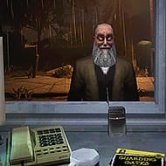
Alyssa wakes up inside a vast, isolated mansion that no one is ever meant to escape. Three captors stand behind her nightmare: Iris, a clumsy maid; Mortimer, a gigantic clown with terrifying strength; and Mask, a silent leader hiding secrets of their own. Each one represents a different kind of dread, from awkward and unpredictable to physically overwhelming to quietly calculating. Together they make the mansion feel like a twisted household with rules you have to learn.
The contrast between them is the most memorable part of the setup. A clumsy maid and a giant clown should not belong in the same sentence, yet that mismatch is what makes the residents feel twisted rather than simply monstrous. Mask is the one players tend to speculate about most, since a silent leader with secrets invites theories. Story-driven players will find plenty to chew on in how these three relate to one another.
Early in the game, Alyssa realizes her kidnapping was no coincidence. That single idea changes everything about how you read the mansion, because the question is no longer how to get out but why you were brought in. A conspiracy far greater than it first appears sits behind every closed door. Anyone who enjoys uncovering motives will find the premise has real hooks.
Sneaking Past the Captors in ALYSSA
Survival here depends on sneaking and hiding, and the stealth tag players give the game is accurate. You explore in first person as a child, which means confrontation is not part of the pitch. As you move through the mansion you encounter phenomena that defy rational explanation. The tension comes from not knowing which of them is a real danger.
The store pitch points to three kinds of unease worth watching for:
- Some things watch you from the shadows.
- Some things react to light.
- Some things make you question your own senses.
Beginners often treat the mansion like a walking simulator and wander through rooms openly. That is the fastest way to learn how little protection a little girl has. Stealth players will feel at home, since movement, light, and hiding places are the real rules of the mansion. The honest catch is that stealth horror can frustrate anyone who wants a clear way to fight back.
Emily, Notes, and the Question of Who to Trust
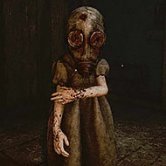
Once Emily appears, the story gains a second mystery. She is a girl with a mask permanently attached to her face, and she claims she wants to help Alyssa. In a place filled with secrets, it is hard to tell the difference between a fellow victim and someone with hidden intentions. Every conversation with her is worth treating as a clue about her, not just a clue about the mansion.
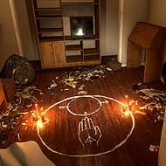
Exploration is the other pillar. You search every corner, solve puzzles, and uncover hidden passages, and every item, note, and newly found room adds another piece to the story. Players who like reading every note will get the most out of the mansion, because the larger plot is built from small discoveries. Completionists will want to check every room twice before moving on.
Every decision may bring you closer to the truth or lead you straight into a trap. A common beginner mistake is trusting Emily immediately, and the opposite mistake is dismissing her entirely. Neither approach is safe, which is exactly the point. The game wants you to weigh what she says against what the mansion shows you.
Multiple Endings and What Divides Players in ALYSSA
The multiple endings turn every choice into a small gamble. What you decide about Emily, what you uncover, and how you handle the captors can all shape where the story lands. Players who enjoy replay value will likely want more than one run. Those who prefer a single definitive conclusion may find the branching more of a commitment than they expected.
The content itself is the most divisive point, and the developers are upfront about it. The protagonist is a young child, and the game contains scenes of torture, violence, disturbing imagery, and death, including first-person depictions of violence and distress involving that child. Some players will find that too much, and that is a completely reasonable reaction. It is worth reading the content description before starting.
By the time you push deeper into the mansion, the tension shifts from hiding to understanding. The question the pitch keeps raising, whether the strange events are really supernatural, is also the one players debate most. Some enjoy the ambiguity, while others want firmer answers. The conspiracy behind the kidnapping is what keeps the search worth finishing.
Questions Players Ask About ALYSSA
- Who are the captors in ALYSSA? There are three: Iris, a clumsy maid; Mortimer, a gigantic clown with terrifying strength; and Mask, a silent leader hiding secrets. Each one changes how you approach a room, so learning how they differ is part of staying hidden.
- Can you fight back against Iris, Mortimer, or Mask? The pitch centers on sneaking and hiding to survive rather than combat. Alyssa is a little girl, so your tools are shadows, hiding places, and paying attention to how the strange phenomena react to light.
- Does ALYSSA have more than one ending, and can you trust Emily? Yes, the game has multiple endings, and your decisions along the way push you toward different outcomes. Emily claims she wants to help, but whether she is a victim or someone hiding her true intentions is part of what the story asks you to decide.
ALYSSA is at its best when you play the way the girl in the mansion has to: quiet, observant, and suspicious of everyone, including Emily. Pay attention to how Iris, Mortimer, and Mask differ, read every note, and decide which ending you are willing to earn. Players who want psychological horror built on stealth and a real mystery will find a dark, demanding story.