













Bad House
 (1 оценок, среднее: 5.00 из 5)
 Loading...
Similar Games










Description
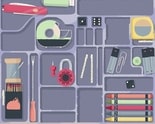
What would you do if the previous tenant of your new home left behind a pile of swords, wands and rings, plus a single rule: do not go into the basement? Bad House starts exactly there, and the rule does not hold for long. Beneath an ordinary living room sits a dungeon that keeps changing, and the house seems to want you down there.
| Genre | Auto-battler dungeon crawler |
| Players | Single-player |
| Platform | PC (Steam) |
| Core loop | Descend, fight automatically, extract loot |
Rules of the Basement in Bad House
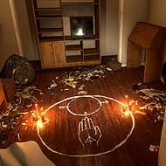
You move into a home that comes partly furnished with items the last tenant abandoned. Upstairs is the only safe space, and your personal storage box lives there, waiting for anything valuable you manage to carry back. The basement below is a dungeon whose layout changes, and the floors lead further and further beneath the property.
The loop is simple to describe and hard to master. You go down, fight through rooms, and decide at every step whether to climb out or push on. The access points that take you down are fragile and may not remain available after use, so there is rarely a free retreat.
The house is not on your side.
Early in the game, a trip to the basement feels like a short errand. As the floors stack up, each descent becomes a gamble with your storage box on the line, and that tension is the real hook of the game.
Skills, Items and Room Placement
Combat plays out automatically, so you never swing a sword yourself. Instead, the fight is decided by the skills you choose and by where you position items around each room before the monsters arrive. Players who have never touched an auto-battler often expect passivity, but the decisions all happen before the first hit lands.
- Weapons: knives and swords left behind by the previous tenant.
- Magic: wands, amulets and rings that support your chosen skills.
- Defense: shields and armors for surviving longer in deep rooms.
Support tools such as bombs, spells, traps and summons add another layer. A trap placed well can do more work than a strong sword placed badly, which is why tinkerers who love inventory puzzles tend to settle in quickly. Preparation matters more than reflexes here.
Chests turn up along the way and feed that preparation loop. Each haul changes what you can place next time, so no two descents look the same.
Extract or Descend: The Loot Decision
Pushing deeper into the basement means greater and more powerful rewards, but you can also extract and bank your loot safely on the main floor. That choice is the center of the game. Every room you clear adds to your haul and to what you could lose, and the longer you stay, the harder it is to walk away.
The house also makes it clear that anything left in the basement is not its problem. Items you abandon down there are not protected, and that disclaimer is both a joke and a warning. Risk-takers who push for one more floor tend to learn this the hard way.
Careful players take the opposite approach and bank early and often. Both styles work, because the storage box rewards patience and the deeper floors reward nerve, and the best runs usually mix the two. By the time you reach the deeper floors, the question is no longer whether you can win a fight but whether you should keep going.
Who Lives Below: Demons, Skeletons, Bats and the Undead
The basement is home to demons, skeletons, bats and other undead, along with plenty of unidentified residents. They are there to stop your descent, and each new floor brings tougher opposition. Matching your skills and item placement to the occupants of a given room is how you stay ahead of them.
Because the basement layout is ever-changing, you cannot memorize a route and repeat it. The house gradually turns from an ordinary home into a huge dungeon, and that slow transformation gives repeat runs a sense of discovery.
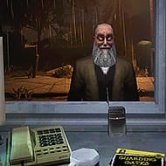
The tone is darkly funny, with rental-listing language and a faceless Management that accepts no responsibility for your losses. Underneath the jokes sits real blood, gore and occasional body horror, so the mix of comedy and dread is a big part of the appeal.
Where Bad House Divides Players
The biggest split is about control. Fans of hands-on action sometimes dislike watching combat resolve without them, while auto-battler fans enjoy that the challenge lives in preparation. Even a newcomer to the genre can end up hooked, but players who want direct input may find the fights too passive.
Losing loot hurts, and it is meant to. Some players love that sting and feel it gives every extract decision weight. Others find it harsh, especially after a long run that ends with a haul left behind in the basement.
The fragile access points add pressure that not everyone enjoys. A free exit is gone, which makes each trip feel final. For some that is the best part of the game, and for others it is what makes the pacing feel stressful.
Basement Questions Answered
- Is Bad House a roguelike or an auto-battler? It is both, in a way. Combat is automatic, so you choose skills and place items rather than fight directly, while the changing basement and the push-or-extract decision give it a roguelike feel. Early previews describe it as a dungeon crawler where you are not expected to reach the bottom on your first attempt.
- What happens to items you leave in the basement? They are not protected, and the store text says the house takes no responsibility for them. Valuables you carry back upstairs are safe in your personal storage box. That is why the extract decision matters so much.
- What enemies live in the basement? The basement holds demons, skeletons, bats and other undead, plus occupants that have not been identified. Each floor pushes you toward better skills and smarter item placement. Expect the roster to feel more dangerous the deeper you go.
Bad House turns a simple house rule into a loop of nerve, preparation and greed, with the storage box on the main floor as your only real safe space. Whether you carry back a sword or lose a whole run to the demons below, the house keeps daring you to take one more floor, and Management still accepts no responsibility.