



SpeedRunners 2: King of Speed
 (1 оценок, среднее: 5.00 из 5)
 Loading...
Similar Games





Description
SpeedRunners 2: King of Speed looks like a colorful superhero cartoon skittering across rooftops, but it plays like a fighting game where positioning matters more than any single hit. The costumes and the comic-book plot are the hook; the actual game underneath is unforgiving about spacing, timing, and reading what a rival is about to do next.
Picking a Runner Actually Changes How You Play
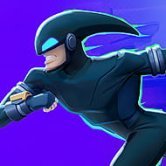
Every character on the roster shares the same base movement, but the small differences add up fast once you’re past the first few Quick Play sessions. Hothead’s abilities lean aggressive and close-range, rewarding players who like fighting for position at the front of the pack, while Unic plays looser and more evasive, better suited to players who’d rather bait mistakes than force them.
Cosmonaut Comrade sits somewhere in between, and a lot of newer players default to SpeedRunner himself simply because he’s the face of the franchise, without realizing his kit is actually one of the more demanding ones to use well. Moonraker, given her role in the campaign’s story, gets an outsized amount of attention in community discussions even though her multiplayer kit isn’t objectively stronger than the rest of the cast.
Character identity: unlike a lot of platformers where cosmetic skins are purely visual, SpeedRunners 2’s roster choices carry small mechanical weight, which is part of why forum threads about tier lists get heated fast — nobody fully agrees on who’s actually strongest once item variance is factored in.
Switching characters between sessions is common early on, and most players settle into a main only after they’ve felt how differently a stolen lead swings depending on whether they’re playing an aggressive kit or an evasive one.
Quick Play Versus Ranked Is a Bigger Gap Than It Looks
Quick Play lobbies are loose, chaotic, and forgiving of mistakes, which makes them a reasonable place to learn character quirks without real consequences. Ranked strips a lot of that forgiveness away — lap consistency and hook accuracy matter more than clever item usage, and players who only practiced in Quick Play often get a rude introduction to how tight the timing windows actually are.
Once you climb past the first few Ranked tiers, the meta narrows considerably. Blasters and portable teleporters, both new additions to this sequel, become far more central to high-level play than the returning fireballs and freeze rays, since they reward the aggressive positioning that Ranked lobbies punish passive players for lacking.
Lobbies scale up to 8 racers, whether the match is running locally on one couch or online, and that jump from the original’s four-player cap changes pack dynamics noticeably — chokepoints get contested by three or four runners at once instead of just two, which makes hook-steals both more common and riskier to attempt blind.
Playground Mode Rewrites the Rules on Purpose
For players who find Ranked’s precision exhausting, Playground exists as a deliberate release valve. Item spawn rates get exaggerated, gravity and speed modifiers can be toggled, and entire lobbies can turn into something closer to a party game than a competitive racer. It’s genuinely one of the more replayed corners of SpeedRunners 2, because the base movement system stays intact even when everything around it gets turned up to absurd levels.
Casual players who bounced off Ranked’s difficulty often end up spending most of their time here instead, and it’s not uncommon for entire Discord communities to build custom rule sets around specific Playground presets.
What the 64-Player Elimination Format Demands
Surviving the early rounds of the Elimination tournaments isn’t especially hard, since the bracket is wide and mistakes get diluted across a large field. The pressure builds quickly once the field narrows, and by the later brackets you’re facing runners who have already proven they can hold position under pressure, not just finish races cleanly.
The honest criticism players raise most often about this mode is pacing — early rounds can feel like a formality before the tournament actually starts testing anyone, and not every player has the patience to sit through them to reach the rounds that matter.
Speedrunning-minded players tend to treat these brackets differently than casual racers do, drilling the same early map sections until the route is nearly automatic, purely so the later rounds don’t cost them anything they haven’t already rehearsed.
Where Momentum Breaks Down for New Players
A lot of new players lose races not because a rival was faster, but because they let momentum bleed out on a landing they should have slid through. Chaining a slide into the next jump keeps speed that a standing landing throws away, and it’s the single most common gap between a player’s first ten races and their fiftieth.
The other early habit worth breaking is hoarding items defensively. A freeze ray saved too long often never gets used at all, while the same item thrown at a contested chokepoint earlier in a lap can decide the whole race before the final stretch even begins.
None of that changes what makes SpeedRunners 2: King of Speed worth returning to — whether you’re grinding Ranked tiers with Hothead, running absurd Playground presets with friends, or just trying to out-hook a rival before they reach the edge of the screen, the core tension of staying visible is still doing all the work it did in the original game.