








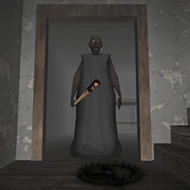


Pikabuu: STOP
 (Пока оценок нет)
 Loading...
Similar Games







Description
Pikabuu: STOP does not hand you a weapon at any point, and that single absence shapes everything else about how the game plays. This is a survival horror escape scenario built around avoidance, running on a browser-based build where the only real tools are attention and timing.
There is no cast of named threats to learn, no backstory dropped in cutscenes — just a space to move through, obstacles that punish carelessness, and an exit that has to be found. Pikabuu: STOP keeps its ambitions narrow, and that narrowness is what makes the tension work.
| Genre | Horror, Survival |
| Platform | Browser |
| Mode | Single Player |
Why Darkness Does More Work Than Any Jump Scare in Pikabuu: STOP
Limited visibility is the actual obstacle in most games of this type, and Pikabuu: STOP leans on that convention rather than reinventing it. Whatever is ahead stays mostly hidden until proximity forces a reaction, turning ordinary movement into a slow negotiation with the environment.
New players tend to walk at a fixed pace regardless of what is around them, treating exploration like any other adventure game. That habit usually gets punished first, since careless movement in low visibility tends to trigger situations a cautious approach would have avoided.
Players who lean into the discomfort rather than rushing generally last longer, because the pacing rewards hesitation over confidence.
Sound as the Only Warning System
Without a weapon to rely on, sound becomes the main source of information. Footsteps, ambient shifts, and sudden silence all carry meaning in a scenario like this, and Pikabuu: STOP is no exception.
Beginners commonly play with sound as an afterthought, focused entirely on what is visible. That is a mistake in a game built around limited visibility, since audio cues are often the only warning before something changes nearby.
Once sound becomes a primary input rather than background atmosphere, the whole pace of a run shifts — slower, more deliberate, and far less likely to walk into trouble blind.
Doors, Dead Ends, and the Cost of Guessing Wrong
- Doors that lead forward toward the actual exit
- Doors that loop back into already-explored space
- Doors that simply waste time a player did not have to spare
Every closed door here is a small gamble, and Pikabuu: STOP does not mark the difference between a useful one and a dead end. That uncertainty is deliberate — figuring out a layout by trial and error defines the genre.
Retracing steps after a wrong guess costs time a cautious player would rather not spend, and that is part of what keeps tension high instead of letting a run coast.
Methodical players who track where they have been tend to outperform players relying on memory alone.
Pacing That Refuses to Meet You Halfway in Pikabuu: STOP
Pikabuu: STOP does not ease a player in with a slow tutorial stretch before things get difficult. The pressure is present close to the start, and it does not taper off — if anything, the margin for error narrows the longer a session goes.
That refusal to slow down is one of the more divisive aspects of games built this way: some want a longer on-ramp before serious tension kicks in, others consider the immediate pressure the entire point.
By the time a player adjusts to moving carefully and listening first, the game has usually already tested that adjustment more than once.
Is there any way to fight back in Pikabuu: STOP?
No — the design here is built entirely around avoidance. There is no weapon to pick up, so every encounter has to be handled through movement, timing, and paying attention to sound.
How difficult is Pikabuu: STOP for a first attempt?
It is demanding early rather than easing players in gradually. Mistakes made in the first few minutes matter just as much as mistakes made later.
What should a new player pay attention to first in Pikabuu: STOP?
Sound and door placement matter more than reflexes here. Treating audio cues as a warning system and tracking which doors have already been checked avoids most early mistakes.
Pikabuu: STOP is not trying to be more than a tight, browser-based survival horror escape scenario — no weapon, no shortcuts, just doors, darkness, and the sound cues a careful player learns to trust. Whatever a first attempt gets wrong usually comes down to one of those three things.