




That’s Not My Mom!

 (5 оценок, среднее: 3.20 из 5)
 Loading...
Similar Games





Description
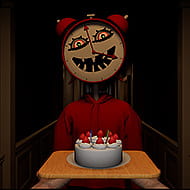
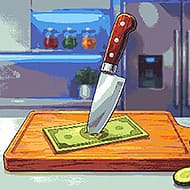
The woman in the kitchen in That’s Not My Mom! answers to the right name, wears the right clothes, and still isn’t right, and the game spends its entire runtime daring you to prove that instinct instead of just telling you outright. Nothing about the setup announces itself as a monster reveal or a chase sequence — it plays closer to a slow domestic wrongness than a jump-scare gallery, and that restraint is the whole point.
The Small Wrongness Before That’s Not My Mom! Explains Anything
Most of what That’s Not My Mom! asks you to do in its opening stretch is simply pay attention. You walk through familiar rooms, notice a routine that’s slightly off — a habit repeated a beat too long, a response that arrives a second late — and decide for yourself whether that’s worth acting on. The game never rushes you toward a conclusion, which is exactly why new players tend to misread it as slower or emptier than it actually is.
Early on, before the mother figure says much of anything at all, the household still feels ordinary enough that doubting it seems paranoid. That’s the trap. Players who move quickly through these first quiet scenes miss the small behavioral tells that make the later discomfort land, and going back to notice them retroactively is part of how most people end up talking about the game afterward.
What separates a mother figure from a genuine impostor here is never a single dramatic reveal — it’s an accumulation of small contradictions in tone, timing, and habit that the game trusts you to add up on your own rather than spelling out in a cutscene.
Why That’s Not My Mom! Plays Better as a Slow Read
Players who treat this like a conventional horror game — expecting a threat to chase them or a puzzle to solve under a timer — tend to come away disappointed, because that’s not the pace it’s built on. Domestic horror as a genre works by letting normal routine curdle slowly rather than breaking it violently, and That’s Not My Mom! leans fully into that slower read rather than compromising toward something more conventional.
If you’re wondering how you’re supposed to know something is wrong before the game confirms it, the honest answer is that you mostly can’t — not with certainty, not early. The discomfort is meant to sit ahead of proof, which is also why confronting the mother figure outright rarely resolves anything cleanly; the game is more interested in you sitting with the doubt than in rewarding you for acting on it too soon. A full sitting stays short, closer to a single uneasy visit than a sprawling story, and that brevity is deliberate rather than a shortcoming.
That’s Not My Mom! ultimately works because it never lets the apron, the voice, or the familiar kitchen fully convince you, and it’s that unresolved, quietly wrong dinner-table scene — not any single scare — that stays with most players after the lights come back on.