






Throw Food For Animals
 (1 оценок, среднее: 5.00 из 5)
 Loading...
Similar Games




Description
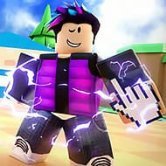
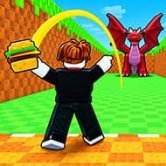
You launch a carrot down the track in Throw Food For Animals, it lands in the Forest, and a lone animal wanders over to claim it. Nothing about that first throw looks impressive, but it starts the whole loop. Food attracts animals, animals earn money in your base, and that money buys better food. The real question is how fast you can stop throwing carrots and start reaching areas where the rarer animals live.
| Genre | Simulator |
| Platform | Roblox, on PC and mobile |
| Core action | Throw food along a long track to attract animals |
| Progression | Train Throw Power, buy better food, unlock new areas |
| Income | Animals placed in your pen earn passive money |
The Throw, Catch and Earn Loop in Throw Food For Animals
Every round starts the same way. You pick your food, throw it as far as you can, and wherever it lands decides which animals can show up. Animals you attract go into your pen, which is your base, and they earn money whether you are throwing or not. That income pays for higher-tier food, and the food decides how rare the animals you attract can be. Once you see those links, the game stops being random and becomes a chain you can tune.
Early in the game the chain feels slow, because carrots and a short throw keep you inside the Forest. Players often describe this stretch as farming, since you repeat the same throw many times for small returns. A casual mobile player can still make steady progress here, because the throw itself needs very little timing skill.
The loop is easy to understand, but the order in which you upgrade each part is what separates a quick start from a stalled one. Money, distance and food all depend on each other, and neglecting one makes the others pointless.
Throw Power and the Pull-Up Stands
The most common beginner mistake is spending everything on better food while Throw Power stays low. A burger is a fine upgrade over a carrot, but if your throw cannot reach the area the burger was made for, you gain nothing. Distance is the real gate in this game. Pull-up stands raise Throw Power, so a short training session before a spending spree usually pays off more than another food purchase.
Training is also the most divisive part of the game. Some players enjoy the rhythm of alternating between pull-ups and throws, while others find the repetition tiring once the Forest and Savanna are behind them. Grinders who like watching a number climb tend to settle in happily, whereas players who want quick variety may feel the pace drags.
A useful habit is to check where your food actually lands before you buy anything. Guides disagree on exact power requirements and older charts go stale after updates, so your own throws are the most reliable measurement.
Food Tiers and Why Rarity Follows the Food
Throw Power gets you to an area, but food decides who comes to eat. Each food tier is aimed at the animals of a particular area, and the last food made for an area targets its rarest residents. Throwing low-tier food into a high-tier area still works, but you will mostly attract common animals and leave the best ones untouched.
This is why the sensible order is distance first, then food. Reach the area, confirm your throws land there consistently, and only then spend on the matching food. Players who reverse this often end up holding expensive food they cannot use well.
Collectors tend to love this part of the game, since choosing the right food for the right area is the closest thing to a puzzle it offers. Check each area’s rare animals before buying, because a food tier that is wrong for your current zone is easy to waste money on.
From Forest to Nuclear Wasteland: Reading the Track
The track runs through more than a dozen areas, starting with Forest, Savanna and Desert and moving on through Jungle, Ocean, Mountains and Taiga. Further out you find Prehistoric Forest, Deep Waters, Cursed Carnival and Eclipse Kingdom, with Nuclear Wasteland among the farthest. One guide puts Nuclear Wasteland at roughly level 1,200, though other guides stress that requirements shift after updates and should not be treated as fixed.
By the time you reach Jungle, the early loop has changed. Animals are stronger, your pen earns noticeably more, and the cost of food starts to matter. Players who stayed in the Forest for days usually did so because they kept buying food instead of training, which is the stall most guides warn about.
Seasonal events also add limited areas to the track, so what is available can change between sessions. Treat any zone list as a snapshot rather than a final map.
Luck, Mutations and Server Luck
The farther your food travels along the track, the higher your Luck multiplier climbs. A higher Luck multiplier improves your chance of attracting rare animals and special variants, which is why a long throw matters even when the food stays the same. Mutations then change an animal’s size and value, so two animals of the same species can earn very different amounts in your pen.
Server Luck is the boost that players mention most often, and it is also the most debated. It applies when someone in the server buys it, so you cannot count on it, and some players feel that makes the best sessions feel like a matter of timing rather than skill. Joining a populated server when a boost appears can be a real advantage, but it is not a plan you can rely on.
If you are chasing the rarest animals, patience helps more than any shortcut. The game has no code system, so nothing hands out boosts outside the normal loop.
Questions Players Ask About Throw Food For Animals
What should I upgrade first?
Train Throw Power on the pull-up stands before buying better food. Distance decides which area your food reaches, and food only improves rarity once you are already there. A carrot that lands in the right area beats an expensive burger that falls short.
How do I reach a new area?
You reach a new area by throwing far enough to land in it, so more Throw Power is the answer. Once you can reach it consistently, buy the food made for that area to attract its rarer animals. Check where your throws actually land rather than trusting an older chart, since requirements change after updates.
Are there codes for Throw Food For Animals?
No. The game has no code system, so any code you find listed was most likely written for a different animal game. Your best sources of extra value are Server Luck when it appears, a higher Luck multiplier from longer throws, and mutations on animals in your pen.
Throw Food For Animals rewards players who understand how the pieces fit together, from the first carrot in the Forest to a Luck multiplier that makes rare animals show up deep in areas like Nuclear Wasteland. Train Throw Power, match your food to the area you can reach, and let the animals in your pen carry the money side. Whether you want a patient grind or a quick chase for the best mutations, that order is what keeps the game moving.