











TAMASHIKA
 (Пока оценок нет)
 Loading...
Similar Games






Description
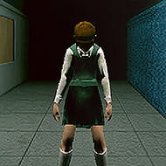
The one level in TAMASHIKA does not behave like a level at all, because its layout is rebuilt every day. What you memorized yesterday is gone, and the only thing that carries over is your habits.
| Genre | Arcade corridor shooter |
| Loadout | Semi-automatic pistol and tanto blade |
| Level | One procedurally generated corridor |
| Rhythm | Short, repeatable runs |
One Pistol, One Tanto, and Eight Actions
The kit is tiny on purpose. You get a semi-automatic pistol for range and a tanto blade for close quarters, and nothing else to swap to. There is no loadout screen to fuss over, which keeps every run about your hands. Every other decision comes from eight actions: walk, strafe, shoot, reload, melee, parry, blink, and astral projection.
Beginners treat the pistol like a machine gun and get punished at the reload. Learning when to stop shooting and swing the tanto is the first real skill.
Arcade veterans settle in fast because the controls are plain. Newcomers to corridor shooters usually need a few runs before they trust the strafe.
Parry, Blink, and Astral Projection in TAMASHIKA
Three actions lift the game above a plain corridor blaster: parry, blink, and astral projection. Parry answers danger at close range, and blink is a teleport that lets you jump out of trouble. Astral projection, the strangest entry on the list, rounds out the kit.
Spend your early runs learning what each action costs in position, because every blink changes where the next shot has to come from. The hand-drawn animation and sharp sound cues make the results easy to read once your eyes adjust.
Players who love the audiovisual trip lean into the dizzying hand-drawn look, and the game rewards them with a rhythm that feels almost musical.
No Checkpoints, No Unlocks, No Cutscenes
The design refuses every comfort. There are no checkpoints, no unlocks, and no cutscenes, so a death sends you back to the start of the corridor and nothing you earn carries forward except skill. Ascend Mode adds checkpoints for players who want a gentler climb.
The creators describe the experience as difficult and repetitive, and that frankness is part of the appeal. It is built for short sessions, and early plans put a clean run at roughly ten minutes.
Some players call that purity, and others call it thin. There is one level and one weapon, so the value depends entirely on how much you enjoy mastering a single space. Both opinions are fair.
Reading a Daily Layout: Habits That Keep You Alive in TAMASHIKA
Because the layout changes every day, memorizing routes does not help. What carries over is habits, and a few of them matter more than the rest.
- Scan the corridor before you commit to a fight.
- Reload in the gaps, not in the middle of a crowd.
- Keep blink ready for the moment things go wrong.
- Swing the tanto before you run out of room.
Flow matters more than speed. The pitch is about keeping your mind in one place, and runs go worst when your attention drifts to the score instead of the corridor.
Yes, the level changes every day. No, there is no story to follow, and yes, a single attempt is short enough to repeat over a cup of coffee. Come back tomorrow and the corridor will have rearranged itself, which is the whole reason to return.
TAMASHIKA leaves you with a simple ritual. A pistol shot, a parry, a blink through the dark, and another attempt at a corridor that never looks the same twice.