










Cheater’s Table
 (Пока оценок нет)
 Loading...
Similar Games










Description
The Milk Card in Cheater’s Table does not work like a normal winning card: it sits face down at the start of every match, and the first player who manages to play it wins on the spot. Everything else at the table, the cheating, the traps, and the lives, exists to get someone to that card.
| Genre | Social deduction card game |
| Players | Two to four |
| Setting | Noir mafia underworld |
| Special modes | Lab Mode, Old School, Tournament |
Match, Empty, Survive: The Base Rules of Cheater’s Table
The rules are easy to learn and difficult to master. You match cards by color, number, or symbol to empty your hand, and every time someone clears their hand, the other players lose a life. The last player standing with lives remaining wins the round.
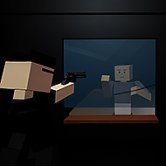
The setting is a gritty noir mafia world where the only crime is getting caught. Matches feel like a card game in the back room of a bar, with everyone quietly watching everyone else’s hands.
New players focus on their own cards and lose track of the table. The habit that wins matches is noticing how often opponents scratch their arms or hesitate over a play.
Sleeve Cards and the Scratch: How Cheating Works
At the start of a match, players are dealt powerful, hidden cheat cards. You can hide your strongest cards up your sleeve or in a pant leg, and at the right moment you scratch your arm, pull one out, and play it. If it works, a prohibited card slides into the pile.
Getting caught is costly. If an opponent spots the cheat, you face severe consequences, but if you plant a fake and the opponent challenges without proof, they pay the price instead.
Bluffers who love theatre scratch early and often. The best of them learn that a well-timed pause sells a lie better than any speech.
Traps: Not Everyone Scratching Their Arm Is Cheating
Not every suspicious move is a cheat. Sometimes a scratch is a calculated trap, meant to bait a rival into a false accusation. If the trap works, the accuser faces the penalty.
A failed trap can backfire fast. If an opponent reads the bait correctly, you are the one who has to answer for it, which is why traps work best after you have watched a table’s habits for a few rounds.
Detectives who enjoy reading people find traps the best part of the game, because a single accusation can turn a whole round. Calling out every scratch is the quickest way to learn what a trap costs.
Dynamite, Cards, and a Cadillac: The Punishments
When someone is caught or falls for a trap, a punishment lands. You can choose from a variety of unique punishments, including lethal dynamites, classic cards, or even a Cadillac, and each one adds a new layer of strategy to every round.
Choosing the punishment changes how reckless the table plays. A harsher penalty makes everyone hesitate before a challenge.
- Lethal dynamites for tables that like high stakes
- Classic cards for a familiar, lighter feel
- A Cadillac for groups that want something absurd
Hosts can define their own punishments when inviting friends, so a private table can set stakes that fit the group. A relaxed table might pick classic cards, while a table that wants drama reaches for the dynamite.
Lab Mode, Old School, Tournament Mode, and Table Comforts
Lab Mode lets you modify room rules to create your own brand of card chaos. Old School strips out the cheating mechanics for a pure, skill-based match, which is useful for teaching newcomers the base rules.
Tournament Mode gives competitive groups a structure, and integrated voice chat keeps the table talk alive. Streamer Mode and a colorblind-friendly design show that the game expects to be played in public.
Groups who mostly play with friends tend to live in Lab Mode, while competitive players head for Tournament Mode. Both groups end up using voice chat, because the bluffs are half the fun.
Early Access Table Manners and Beginner Answers at Cheater’s Table
The game is in early access, and the developers say balance, pacing, cheating mechanics, and card effects are still being shaped by player feedback. Expect the meta to shift and new cards and rules to arrive over time.
That openness is part of the charm, but it also means the game can feel uneven. Some rounds can swing on one lucky challenge, and that unpredictability is exactly what makes the table loud.
Beginners ask the same things at almost every new table. The answers below cover the rules most of them misread.
- How many players can join a match? Two to four players. A full table of four gives cheating and traps the most room to work.
- What is the Milk Card? It is the legendary card hidden face down at the start of a game. The first player to play it wins the match instantly.
- Can you play without cheating? Yes. Old School mode removes the cheating mechanics, which leaves a pure card game about matching and emptying your hand.
Cheater’s Table turns a friendly card game into a room full of suspicious glances. A scratched arm, a Milk Card nobody has found yet, and a Cadillac waiting as punishment for whoever misreads the bluff are what players talk about afterward.